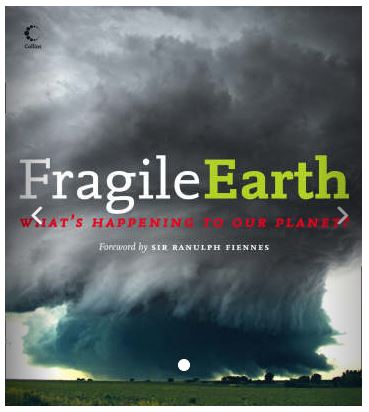
Author(s) : Forward by Ranulph Fiennes Ecology & Enviroment
Year : 2008
ISBN : 978-0-00726680-7
Publisher : HarperCollins
This book covers various changes, particularly in geographic conditions, that have occurred worldwide, both caused by natural and human factors. It explains the causes and impacts of these changes, and the conditions that occur after these changes. The book includes satellite images and images sourced from the public, showing conditions before and after these geographic changes. The first chapter describes the locations used as sources for the book’s content, namely conditions in countries that have experienced various conditions that have had a significant impact on their communities, such as major hurricanes, storms, floods, tsunamis, droughts, fires, earthquakes, and various other disasters that have caused fatal damage to infrastructure.
The first chapter of the book discusses major earthquakes around the world, spanning approximately 100 years. It explains the causes of earthquakes, magnitude levels, number of victims, and an overview of their impacts. The next chapter discusses volcanic eruptions. This chapter provides an overview of the devastating effects of volcanic eruptions worldwide in the modern era. The next section discusses tsunamis, a chain reaction caused by underwater earthquakes that cause seawater to rise to extreme heights, causing extensive damage on land. One example is the Aceh tsunami, which killed over 200,000 people.
The next chapter discusses hurricanes. This section contains information about major storms that have occurred around the world, including tropical storms, tornadoes, desert storms, and blizzards. The next chapter discusses the role of humans in changing nature and geography. This section contains examples of human influence in altering the Earth’s surface, such as the construction of artificial islands, water control using dams for agriculture or clean water, and massive development and large-scale transportation infrastructure that alter the Earth’s surface, such as the construction of tunnels and railways. The next chapter also discusses the impacts of this development, including deforestation, conflicts with indigenous tribes who previously owned the land, and even ideological, religious, and ideological conflicts. Furthermore, it discusses environmental impacts, particularly the impact of environmental pollution. The final section of this book explains the droughts and floods that frequently occur in parts of the world, caused by changes caused by nature and humans. The impacts are very diverse, including sedimentation, animal extinction and geographical conditions that become uninhabitable for humans. Therefore, it is necessary to care about building better environmental conditions to maintain ecosystems, increase water reserves and protect the environment from destructive factors and pollutants now and in the future.